


September 17-19, 2027
North Carolina State Fairgrounds
BBQ Basics for Beginners
BBQ Basics for Beginners
A warning for those who attend the upcoming Fairgrounds Ideal Home Show running September 18-20 at the Fairgrounds: there’s a very good chance you’ll encounter delicious smells and your mouth may water.

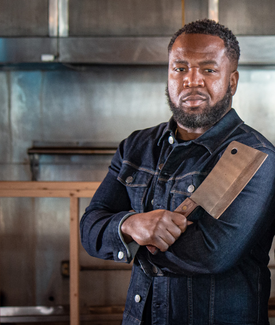
That’s because the fall edition of the show is celebrating North Carolina’s BBQ cuisine and culture by hosting some of the area’s top BBQ icons, including Pitmaster Ryan Mitchell, co-founder of True Made Foods.
Before Ryan hits the show stage on Saturday, September 19 at 1 pm and 3 pm with a step by step of how they cook ribs (and yes, the audience gets samples), we visited the True Made Foods blog online to find their guidelines for BBQ beginners facing their first cookout:
That first cookout brings a real mix of excitement and mild panic. You want the burgers to be good, the chicken to actually cook through, and the whole thing to feel easy rather than stressful. The best part is that grilling is far more forgiving than it looks. Once you understand a few basics around setup, heat, and timing, it clicks fast.
This beginner grilling guide covers exactly that: how to choose a grill, stay safe, use the right technique, and build real flavor without overcomplicating anything.
Choosing Your 1st Grill: Gas, Charcoal or Something Simpler
The gas versus charcoal debate comes down to one question: how much time do you actually have? Gas grills light in minutes, hold a steady temperature, and clean up quickly. Charcoal takes longer to get going and requires more attention, but it delivers a smokier flavor that many people prefer.
For a true beginner, gas is the easier starting point. A basic two-burner model works well for most family meals without a steep learning curve.
Tools Worth Buying Before Your First Cookout
Keep the gear list short. A reliable instant-read thermometer, long-handled tongs, a grill brush, and a pair of heat-resistant gloves cover everything a beginner needs. Skip the specialty gadgets for now. These four items handle every situation you will face in your first several cookouts.
This makes gas grills one of the best options for beginner BBQ grilling and easy backyard cookouts.
Grilling Safety Tips Every Beginner Needs to Know First
Safe grilling starts before the food ever hits the grates. Place your grill at least ten feet from any structure, including fences, deck railings, and overhangs. Never grill in an enclosed space. Keep a spray bottle of water nearby for small flare-ups, and never leave the grill unattended when the heat is on.
Flare-ups happen when fat drips onto the heat source. The fix is simple: move the food to a cooler part of the grill and let the flame die down before returning it.
Food safety temperatures matter just as much as technique. Chicken needs to reach 165°F internally, ground beef 160°F, and pork 145°F. An instant-read thermometer removes all guesswork.
How to Grill: The Core Techniques That Actually Matter
Getting comfortable with a few core techniques makes grilling much easier. These basics help you control heat, avoid burning, and cook food evenly from the start.
Direct Heat vs. Indirect Heat
Direct heat means cooking food directly over the flame or hot coals. This works well for burgers, hot dogs, fish fillets, and thin cuts that cook in under ten minutes.
Indirect heat means the food sits away from the flame while the lid stays closed, letting hot air circulate around it. Use this for thicker cuts, whole chicken, and anything that needs more than fifteen minutes to cook through without burning the outside.
How to Know When Food Is Done
Build the thermometer habit early. Pressing meat to test doneness by feel takes years of practice. A thermometer gives you the answer in seconds.
Chicken thighs and breasts both need to be cooked to 165°F. Burgers made from ground beef need to be cooked to 160°F. Pork chops are safe and still juicy at 145°F. Pull the food off the heat a few degrees early and let it rest for 5 minutes. Carryover heat finishes the job.
Once you understand how to manage heat and timing, grilling stops feeling unpredictable and starts feeling repeatable, something you can rely on every time you cook.
The Best Foods to Start With as a Beginner Griller
Some proteins forgive small mistakes better than others. Chicken thighs stay juicy even if they spend an extra minute on the grill. Burgers are fast, familiar, and easy to flip. Hot dogs require almost no technique. These three are the best starting points for any beginner.
On the vegetable side, zucchini, corn on the cob, bell peppers, and asparagus all grill quickly and pair well with almost any protein. A simple weeknight combination of chicken thighs, sliced zucchini, and a good sauce covers the whole family without much effort or planning.
How Sauce and Seasoning Make or Break a Beginner BBQ
Sauce and seasoning are where most beginner mistakes happen, but they’re also the easiest fix once you know the timing.
Timing Your Sauce the Right Way
Timing matters when it comes to sauce. Apply BBQ sauce in the last three to five minutes of cooking, not at the start. Most commercial BBQ sauces carry a significant amount of added sugar, and sugar burns fast over direct heat. Brushing sauce on too early creates char, not flavor.
The Sugar Problem Most Beginners Don't Expect
Added sugar in BBQ sauce is one of the most common reasons beginners end up with blackened, bitter food. Rubs and marinades work better early in the cooking process because they build flavor without the risk of overcooking. A dry rub applied before grilling adds depth, while the sauce finishes the job.
This is why many beginners switch to no-sugar BBQ sauce or sugar-free BBQ sauce for better grilling results.
For beginners, consistency matters more than complexity. True Made Foods BBQ sauces are built without added sugar and instead use real vegetables like tomatoes and squash to create natural sweetness and depth.
That means:
- Less risk of burning on the grill
- More balanced flavor
- A sauce that works across chicken, burgers, and vegetables
The BBQ rubs follow the same approach, using real spices without unnecessary fillers, making them easy for first-time grillers to use.
For anyone learning to grill, using cleaner sauces helps avoid one of the biggest beginner mistakes: sugar burn.
Catch Ryan Mitchell BBQ Pitmaster & Co-Owner of True Made Foods on the Fresh Ideas Stage presented by Mitchell Heating & Cooling on Saturday, September 19, 2026 at 1pm and 3pm.